 3 chapters
Forensic science
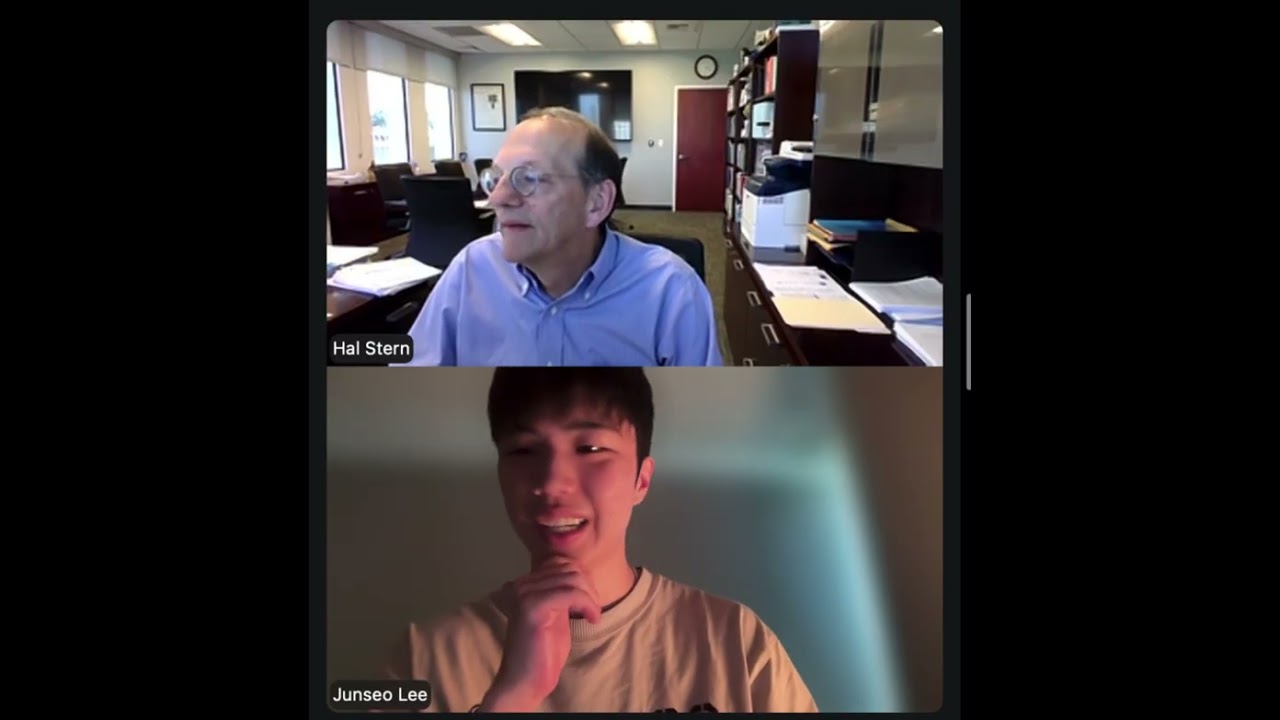
Hal S. Stern
Provost and Executive Vice Chancellor, Distinguished Professor of Statistics, UC Irvine; Co-director, CSAFE
Interviews
Junseo Lee's interviews with lawyers, psychologists and statisticians who work on wrongful convictions, forensic evidence and second-look sentencing in the United States and Canada, each read against cases from Korea.
All recordings on YouTube ↗Recorded conversations · 9
3 chaptersForensic science
Provost and Executive Vice Chancellor, Distinguished Professor of Statistics, UC Irvine; Co-director, CSAFE
 3 chapters
Post-conviction review · Sentencing & prosecution
Clinical Associate Professor of Law and Director, Post-Conviction Justice Project, USC Gould School of Law
Memory & testimony
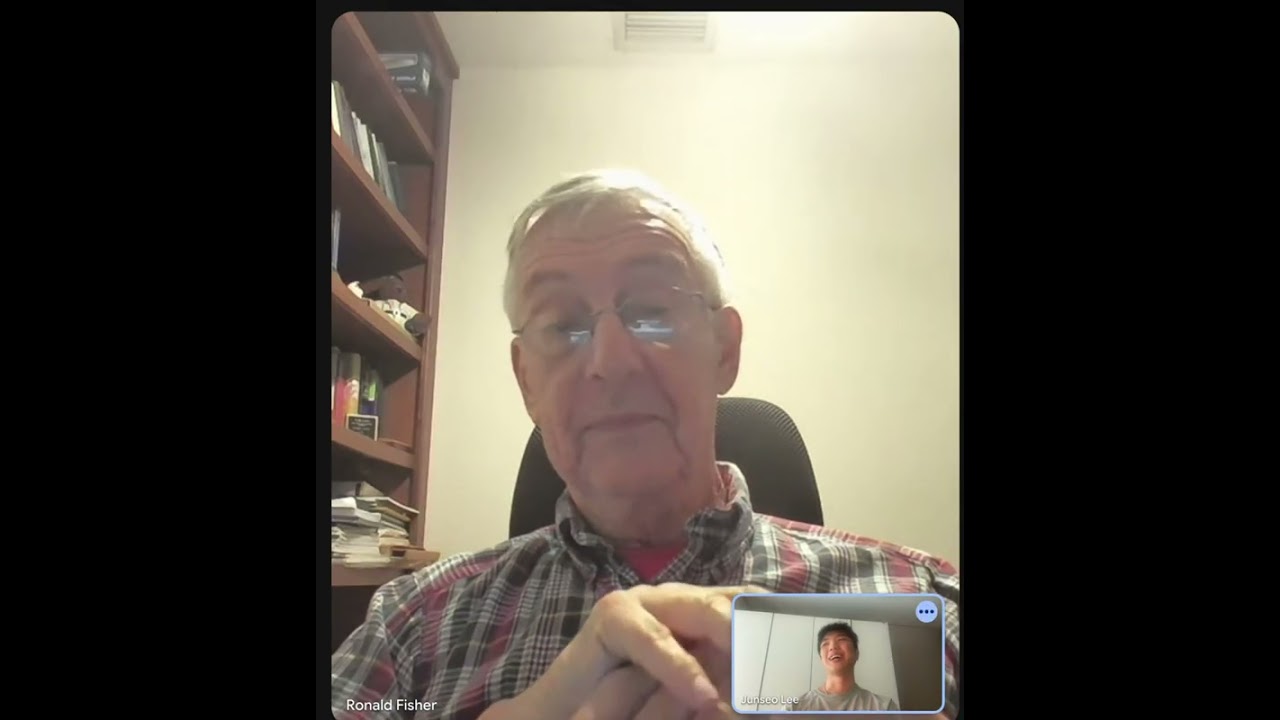
Professor of Psychology, Florida International University
 3 chapters
Post-conviction review · Sentencing & prosecution
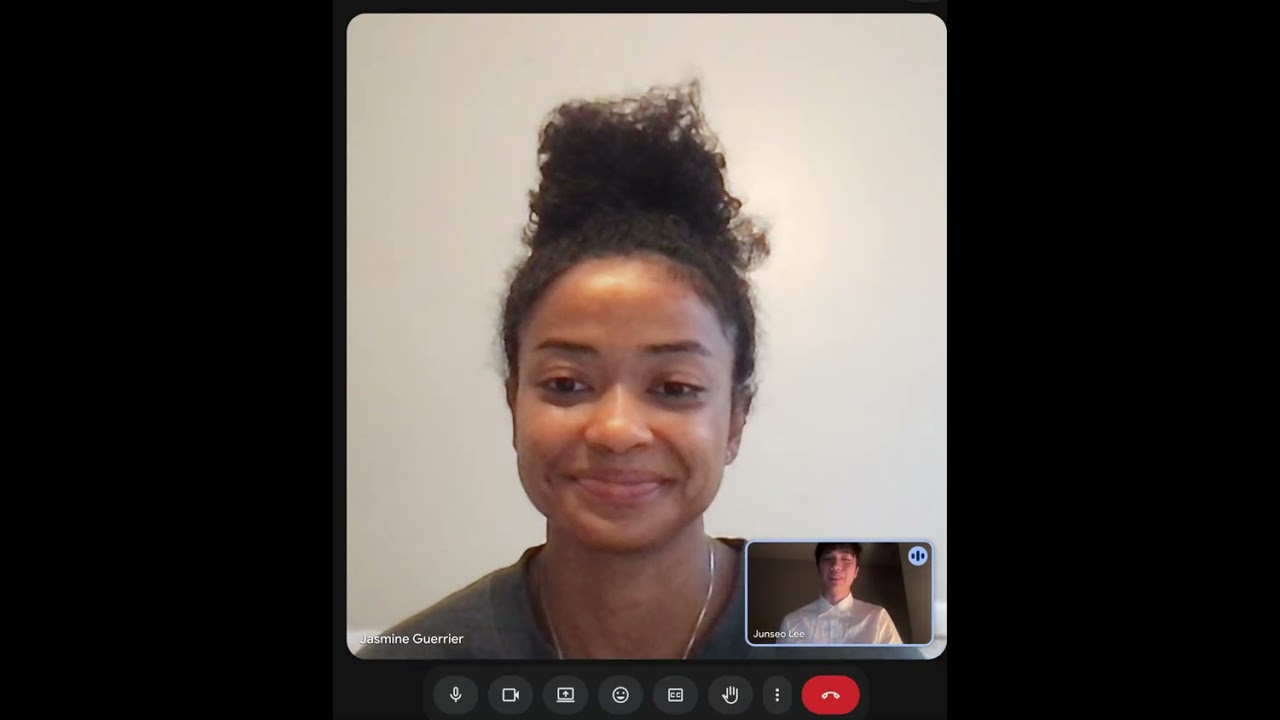
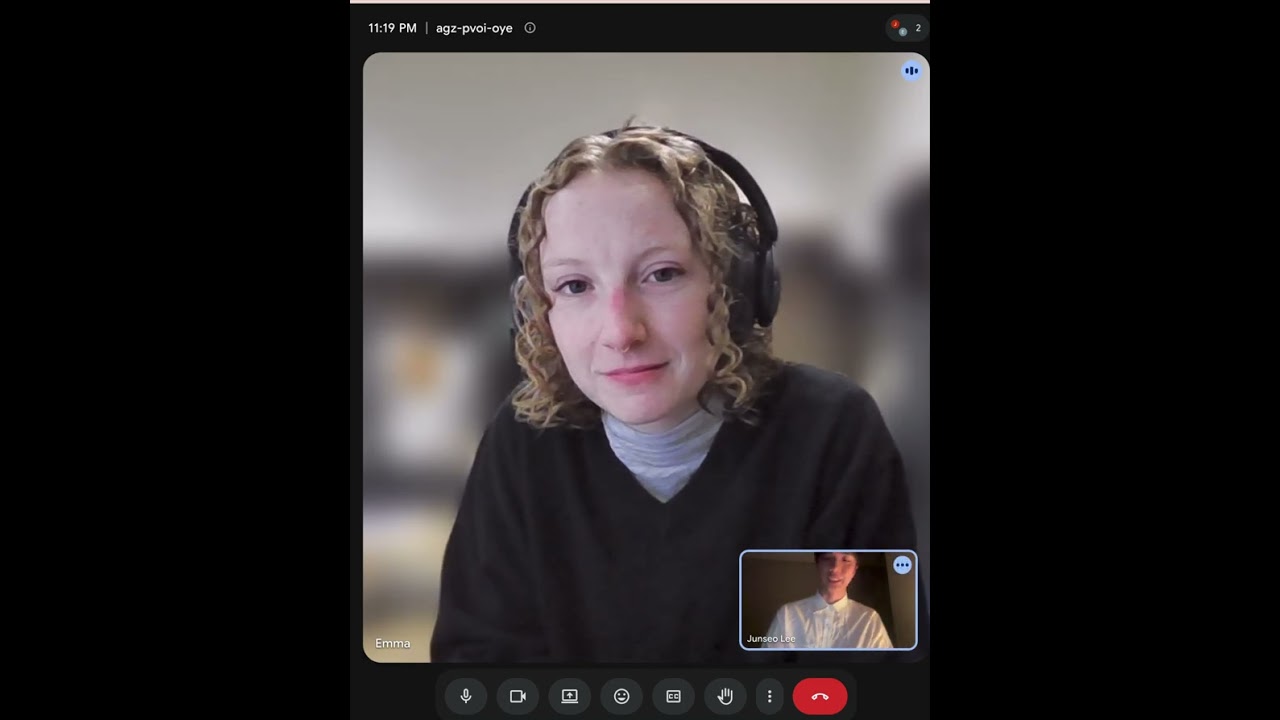
Staff Attorney, The Second Look Project
Sentencing & prosecution
Mitigation Specialist, Law Office of the Cook County Public Defender
 3 chapters
Post-conviction review · Sentencing & prosecution
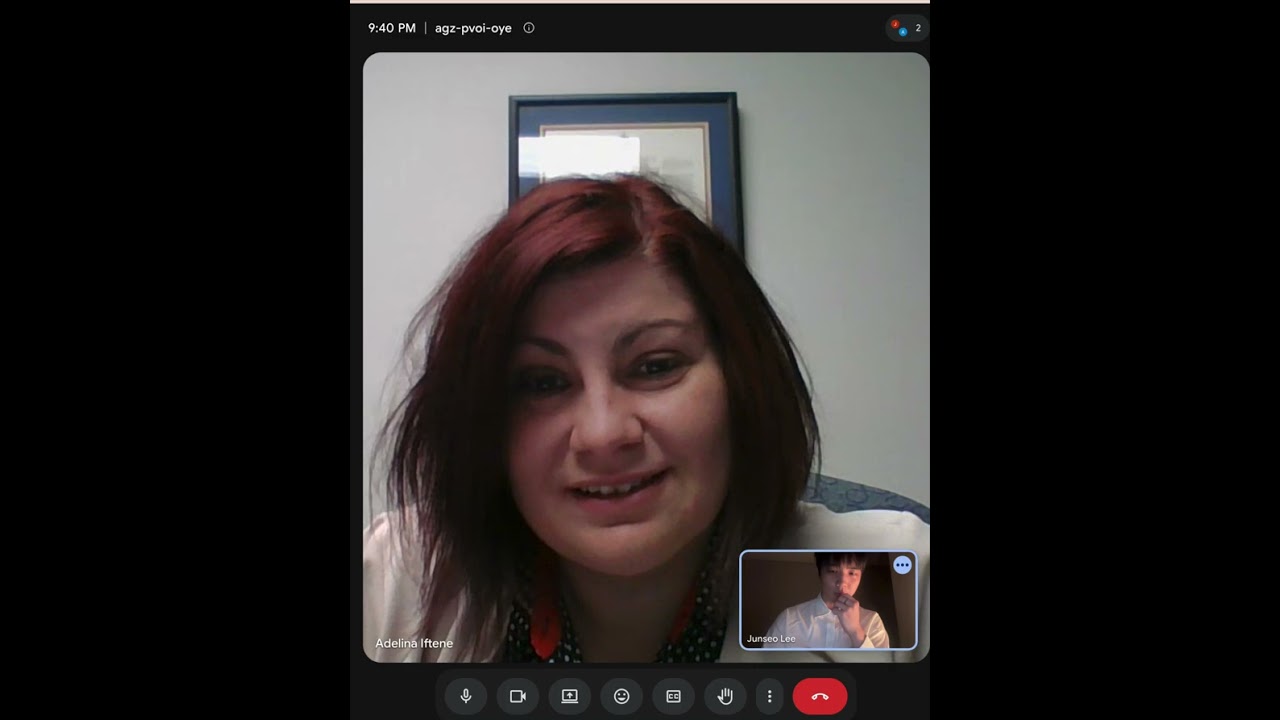
Associate Professor of Law, Schulich School of Law, Dalhousie University; Criminal Justice Certificate Coordinator
Wrongful convictions
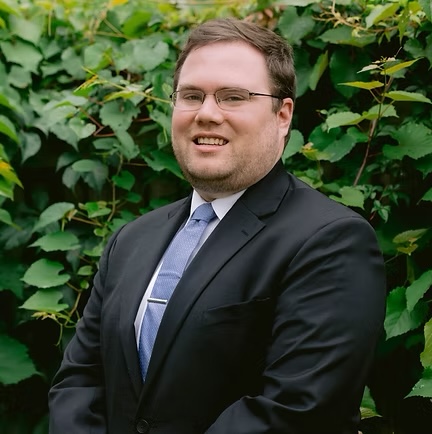
Legal Director, Innocence Project of Florida
 4 chapters
Wrongful convictions
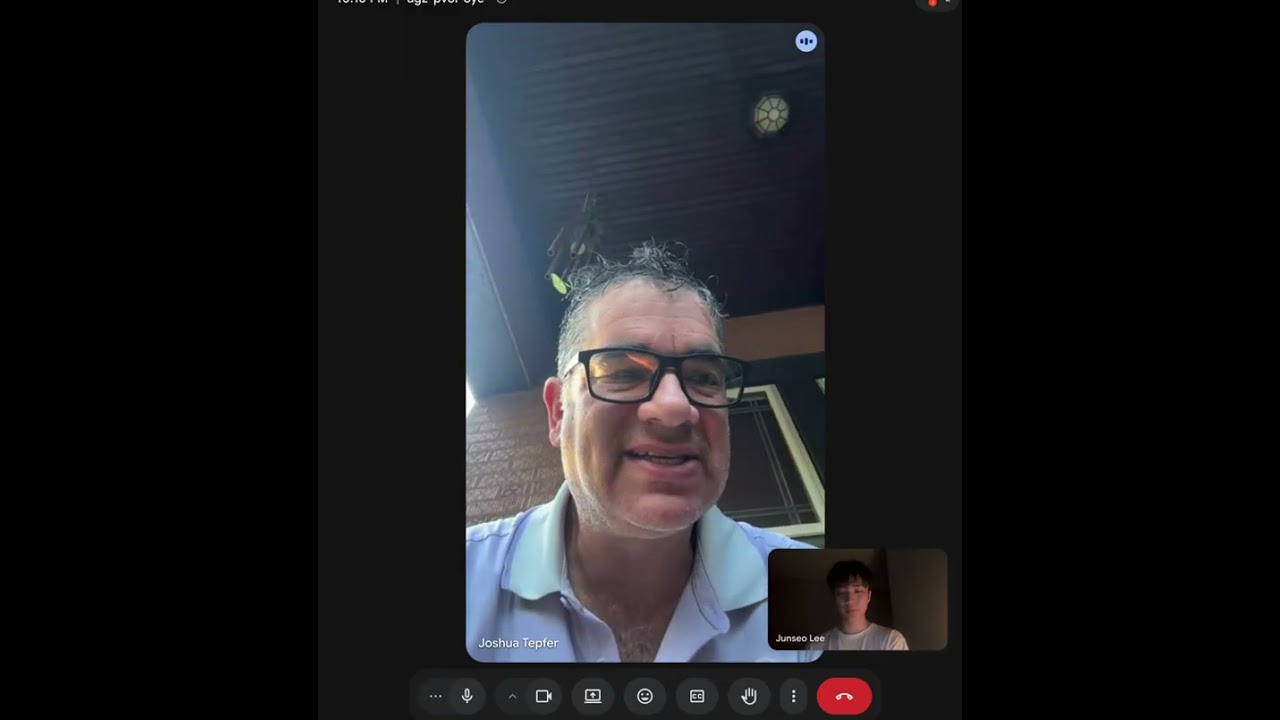
Senior Attorney and Co-Director, The Exoneration Project, Chicago; Partner, Loevy & Loevy
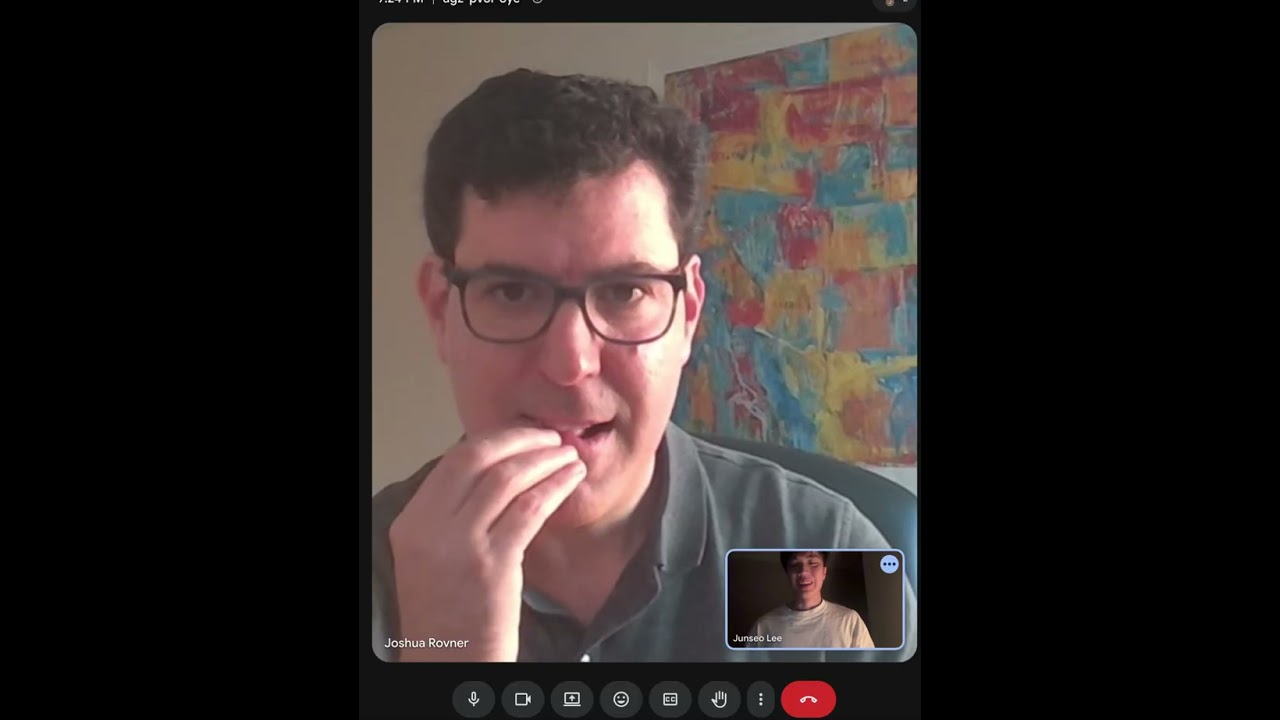 2 chapters
Sentencing & prosecution
Senior Research Analyst, The Sentencing Project
Korean parallels · 18
Each chapter of the notes pairs a point from the conversation with a Korean case that raises the same question. Open one to read it beside the moment it answers.
Hal S. Stern · Chapter 1
Does matching forensic evidence actually prove guilt?
Read the chapter →Hal S. Stern · Chapter 2
Is forensic science always scientifically proven?
Read the chapter →Hal S. Stern · Chapter 3
Why fingerprints are less certain than they look
Read the chapter →Michael Parente · Chapter 1
Why criminal justice should not focus only on innocence
Read the chapter →Michael Parente · Chapter 2
Can a sentence that was just become unjust over time?
Read the chapter →Michael Parente · Chapter 3
Justice systems should never say never
Read the chapter →Jasmine Guerrier · Chapter 1
Can the judge you draw decide your sentence?
Read the chapter →Jasmine Guerrier · Chapter 2
Should prisoners be penalised for programmes they never had?
Read the chapter →Jasmine Guerrier · Chapter 3
Should who someone is now outweigh what they did then?
Read the chapter →Adelina Iftene · Chapter 1
Is prison more than the loss of freedom?
Read the chapter →Adelina Iftene · Chapter 2
Should punishment account for what happens inside prison?
Read the chapter →Adelina Iftene · Chapter 3
Can sentencing be fair if judges don't know prison conditions?
Read the chapter →Joshua Tepfer · Chapter 1
Individual misconduct, or systems that protect it?
Read the chapter →Joshua Tepfer · Chapter 2
When does one wrongful conviction reveal a pattern?
Read the chapter →Joshua Tepfer · Chapter 3
Why are teenagers so vulnerable to false confessions?
Read the chapter →Joshua Tepfer · Chapter 4
Why does correcting a wrongful conviction take so long?
Read the chapter →Josh Rovner · Chapter 1
Does someone become an adult on their 18th birthday?
Read the chapter →Josh Rovner · Chapter 2
Should offenses tied to adolescence be judged differently?
Read the chapter →Also in conversation · 7
Further experts on the interview list. Recordings will be linked here as they are published.
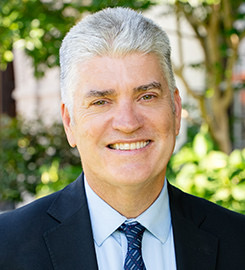
Professor, University of San Diego School of Law; Director, USD Innocence Clinic; Founder, California Innocence Project
Recording forthcoming
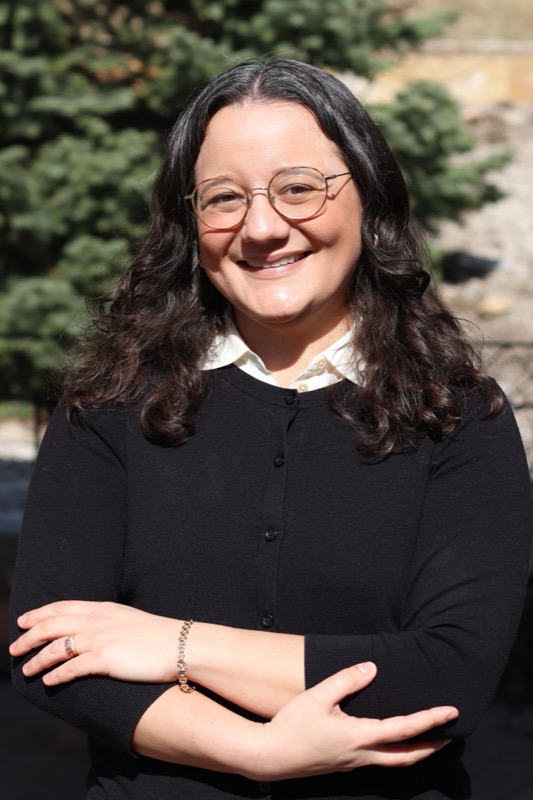
Clinical Instructor, Wisconsin Innocence Project, University of Wisconsin Law School
Recording forthcoming
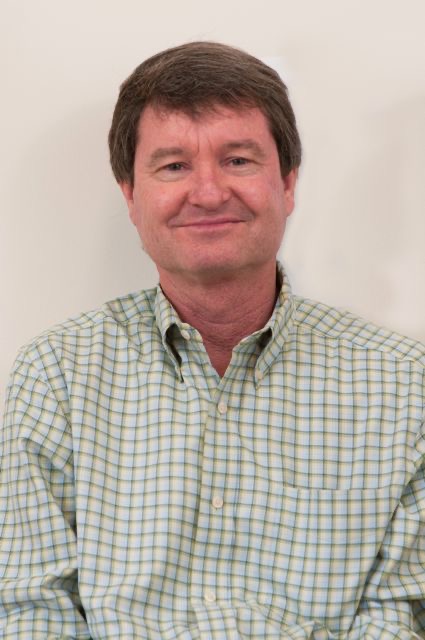
Professor of Psychology, University of California, San Diego
Recording forthcoming
Staff Attorney, Notre Dame Exoneration Justice Clinic
Recording forthcoming
Professor Emeritus, University of Wisconsin Law School; Co-founder, Wisconsin Innocence Project
Recording forthcoming
Associate Professor of Law, William S. Boyd School of Law, University of Nevada, Las Vegas; Former Fellow, Fair and Just Prosecution
Recording forthcoming
Professor of Law, University of Cincinnati College of Law; Co-founder and Director, Ohio Innocence Project
Recording forthcoming